No Room on the Broom
Two weeks ago I broke one of my cardinal rules of 2024—I went to see Wicked in movie theaters—twice. I went into this not having a clue what the movie, based on the stage play, based on the book by Gregory Maguire was about.
I have to confess that the only reason that I saw the movie a second time was that I was busy getting popcorn when the movie started, and you really need to see the beginning of the movie to get the full impact.
Anyhoo, I have to admit I loved the storyline, the music, the performances, the cameos and more. I had gone so far to avoid knowing anything about the show that I didn’t realize my favorite Mr. Bridgerton might be that boy.
I loved Cynthia Erivo or any black woman playing the role of Elphaba, where being ostracized for the color of one’s skin is such an overarching theme. So often we see dystopian or fantasy fare that mimics the life experiences of marginalized communities, but no one of a marginalized community is anywhere in sight—and certainly not in a major role.
However—and here’s where the spoilers come in, so run if you don’t want the plot spoiled—
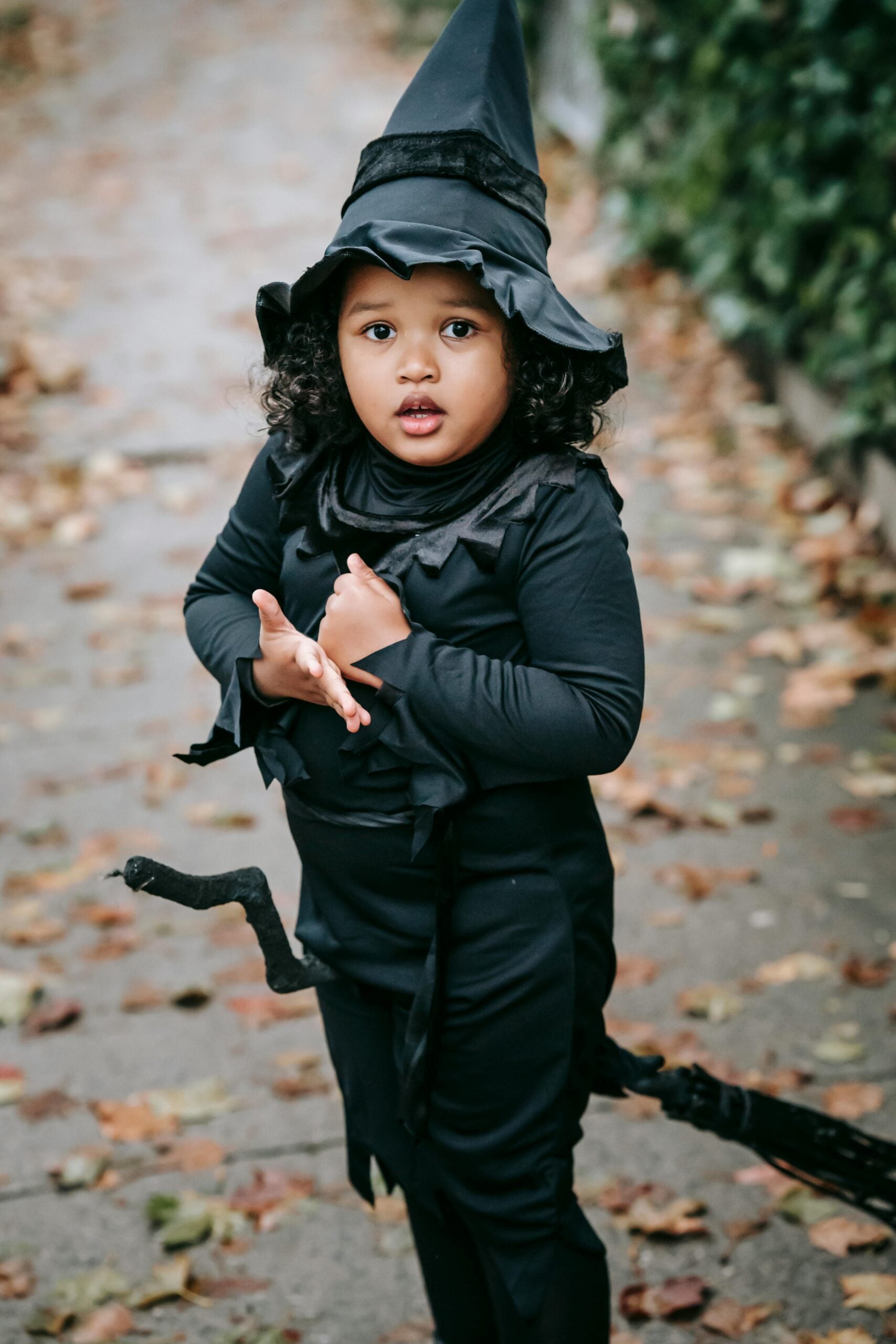
I knew right away that Glinda would never join Elphaba. Not only would Glinda not give up the only power she possessed, but typically, a broom, like a wand or any other magical tool, is designed to serve a single owner. Glinda’s presence on the broom would add nothing to Elphaba’s power and would only detract from her cause, which Glinda didn’t fully share and could add nothing to.
In this moment, we see the schism between two factions of feminism—one willing to go along with the program, as long as she gets what she needs—power, freedom, adoration—and the other, who may be flying off the broom handle, but unable to seek only her own freedom from persecution. No one will truly be free until all are free—including those weaker than she.
In the days ahead, now that Roe has been overturned and other hard-won rights are on the brink of being rolled back, each of us is challenged to pick the type of feminist (or womanist) we wish to be. As for me and my house, we shall follow Elphaba’s path, even if there are no mourners waiting at the end of the tale.